When to Replace Your Flooring: 7 Signs It’s Time for an Upgrade
Replacing your flooring at the right time protects your home’s comfort, safety, and long-term value. Homeowners often overlook subtle cues, yet identifying the signs you need new flooring ensures timely improvements. Minnesota’s seasonal moisture and temperature changes can accelerate hidden damage that affects both appearance and functionality.
Even floors that appear intact may hide scratches, dents, or fading that reduce visual appeal and comfort. Careful evaluation prevents problems from escalating into costly repairs or hazards. Investing in quality materials enhances style while providing lasting durability for busy households.
How Do You Know the Signs You Need New Flooring?
Observing both visual and functional indicators helps homeowners recognize the signs you need new flooring and take timely action. Warped boards, bubbling vinyl, loose tiles, or fraying carpet often reveal serious wear and underlying issues that affect safety and comfort. Understanding how different materials show damage allows for strategic planning, preventing costly repairs and maintaining overall home aesthetics.
Sign 1: Visible Wear and Tear
Scratches, dents, and frayed edges affect both appearance and daily safety for families. High-traffic areas reveal the most damage, such as deep scratches on hardwood or curling carpet edges. Even LVP or laminate can show surface wear that calls for replacement.
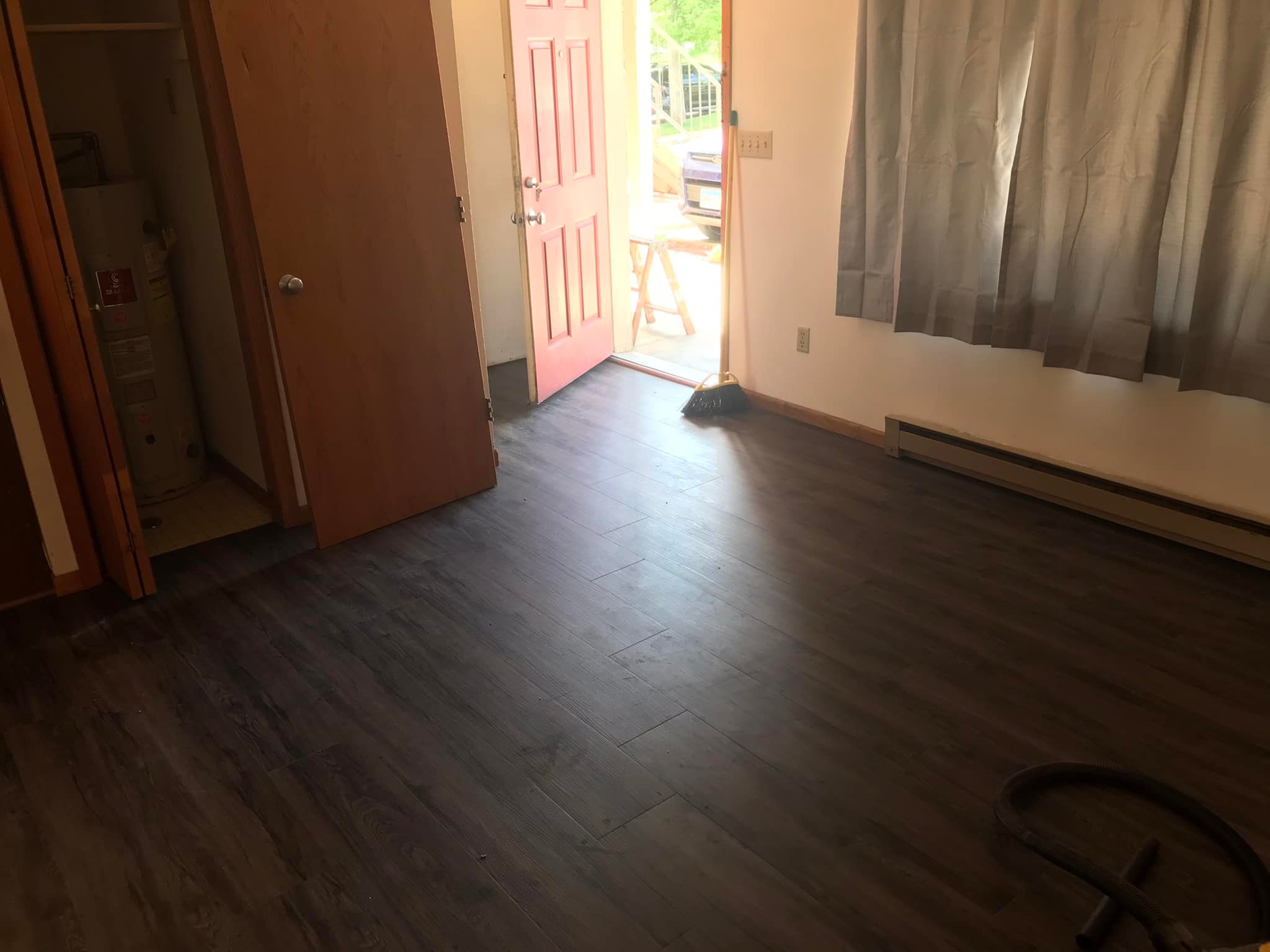
The following examples highlight common signs you need new flooring due to visible wear:
Uneven wear may indicate subfloor weakness, which can worsen over time if ignored.
Softer spots underfoot suggest hidden structural problems that require professional attention.
Threadbare carpet or worn padding reduces comfort while trapping dirt and dust.
Vinyl or laminate with bubbles or peeling edges increases trip hazards and daily inconvenience.
Comparing flooring to its original condition provides a clear gauge for wear. Minor scratches can be repaired, but widespread damage usually requires full replacement. Addressing these issues early ensures both safety and long-lasting functionality.
Sign 2: Water Damage or Staining
Moisture exposure can cause warping, staining, or bubbling that compromises flooring integrity. Hardwood and laminate are particularly sensitive, while even vinyl can develop stains and odors over time. Mold growth may also occur, creating safety and health concerns.
Detecting musty smells or water stains early allows for timely intervention. Mold affects indoor air quality, especially for children or residents with allergies. Prompt attention prevents escalating damage and preserves floor performance.
Water damage is common near kitchens, bathrooms, and entryways where spills or leaks occur. Condensation by windows can also warp boards over time. Consulting a flooring expert ensures proper evaluation and determines whether repair or replacement is necessary.
Ignoring moisture damage can lead to expensive repairs and structural issues. Proper ventilation and moisture barriers reduce long-term risks. Early action safeguards both investment and home comfort.
Sign 3: Outdated or Mismatched Style
Flooring that clashes with updated décor can make rooms feel disconnected or dated, signaling potential signs you need new flooring. Colors, patterns, or finishes that no longer complement modern furnishings reduce overall aesthetic appeal. Updating surfaces refreshes a space while harmonizing with the home’s design.
Hardwood, LVP, and tile offer flexible options for contemporary or classic styles that suit various lifestyles. Selecting complementary materials enhances both style and home value while creating a cohesive atmosphere. Thoughtful flooring choices transform rooms into inviting, functional living spaces.
Older carpets or vinyl with worn patterns often appear outdated, and sun-faded colors contribute to a tired look. Coordinating flooring with furniture, lighting, and walls improves overall flow and design harmony. Modern, well-maintained floors increase comfort, functionality, and pride in the home environment.
Sign 4: Flooring That Harbors Dust or Triggers Allergies
Older carpets or vinyl can trap dust, allergens, and pet dander, which can affect health and daily comfort. Worn fibers hold particles that regular cleaning cannot fully remove, making it harder to maintain a hygienic home. Choosing low-maintenance, easy-to-clean surfaces improves overall household convenience and safety.
Materials like LVP, tile, or hardwood reduce allergen buildup while simplifying cleaning routines. Selecting hypoallergenic flooring improves indoor air quality and supports a healthier living environment. Homes with children or pets benefit significantly from cleaner, more manageable surfaces.
High-traffic areas such as entryways and kitchens often reveal allergen accumulation first. Cracked vinyl or seams can trap dirt, while older carpet may harbor mold or dust mites. Recognizing these signs you need new flooring encourages timely replacement to enhance both comfort and well-being.
Sign 5: Safety Concerns Like Uneven Surfaces, Loose Tiles, or Splintered Hardwood
Loose tiles, warped boards, and splintered hardwood create trip hazards that compromise household safety. Children and older adults are particularly vulnerable to these risks, making timely attention essential. Addressing these issues promptly helps prevent injuries and protects property.
Replacing problematic flooring restores stability and confidence underfoot, and recognizing these signs you need new flooring ensures long-term safety. LVP and laminate provide smooth, resilient surfaces, while professionally installed hardwood and tile offer durable options. Regular inspections identify areas that require repair or full replacement.
High-traffic areas, thresholds, and steps often reveal instability first and may indicate subfloor problems. Durable materials with professional installation reduce future hazards while maintaining structural integrity. Proactive attention balances style, functionality, and risk reduction for lasting performance.
Sign 6: Persistent Squeaking or Structural Instability
Squeaking floors often indicate subfloor or joist issues that worsen if ignored. Uneven boards create discomfort and reduce confidence in walking surfaces. Noticing these noises early helps prevent more serious problems.
Structural movement may appear gradually, often unnoticed until gaps or unevenness develop, and recognizing these signs you need new flooring ensures timely action. Hardwood and laminate are especially prone to shifting boards in older installations. Professional evaluation determines whether repair or full replacement provides the best solution.
Ignoring movement can lead to costly repairs and diminished comfort, while stable flooring protects both investment and daily usability. Timely replacement eliminates creaks and restores confidence underfoot. Addressing these structural issues proactively supports long-term durability and safety.
Sign 7: Difficult or Expensive Maintenance
When cleaning becomes time-consuming or costly, it may indicate that flooring has outlived its usefulness. Worn carpet, scratched hardwood, or peeling vinyl requires constant attention and effort. Low-maintenance materials simplify upkeep while providing lasting beauty.
Here are key maintenance challenges that highlight potential signs you need new flooring:
High-maintenance surfaces show accelerated wear in busy areas, reducing both appearance and functionality.
Worn or damaged floors require frequent cleaning, refinishing, or repairs to maintain usability.
Certain materials trap dust or debris, making daily cleaning more labor-intensive and less effective.
Replacement with durable surfaces can reduce ongoing effort, prevent repeated repairs, and support a more convenient lifestyle.
Evaluating cleaning challenges alongside aesthetic preferences ensures floors meet household requirements. Quality materials provide both beauty and practicality. Recognizing difficult maintenance as a signal for replacement encourages smarter, long-term choices.
Protect Your Home by Recognizing Signs You Need New Flooring
Observing early signs you need new flooring allows homeowners to act before issues escalate. Regular inspection for wear, water damage, or structural instability maintains safety and comfort. Investing in high-quality, durable materials improves both visual appeal and long-term performance.
When floors show visible wear, water damage, or excessive maintenance needs, expert guidance ensures the best outcome. Maguire’s Floor Covering helps homeowners select and install durable, stylish options that remain beautiful and functional. Discover how their experienced team can transform your spaces with personalized, professional service for every installation.
